;

Blog

  • How to Check Your Tyres in Under 5 Minutes

    You might think checking your tyres is hard, but it can be done in five minutes from your own driveway. There are simple steps that makes checking your tyres quick and easy. It also helps prevent breakdowns, keeps you from paying fines, and helps you avoid dangerous situations.

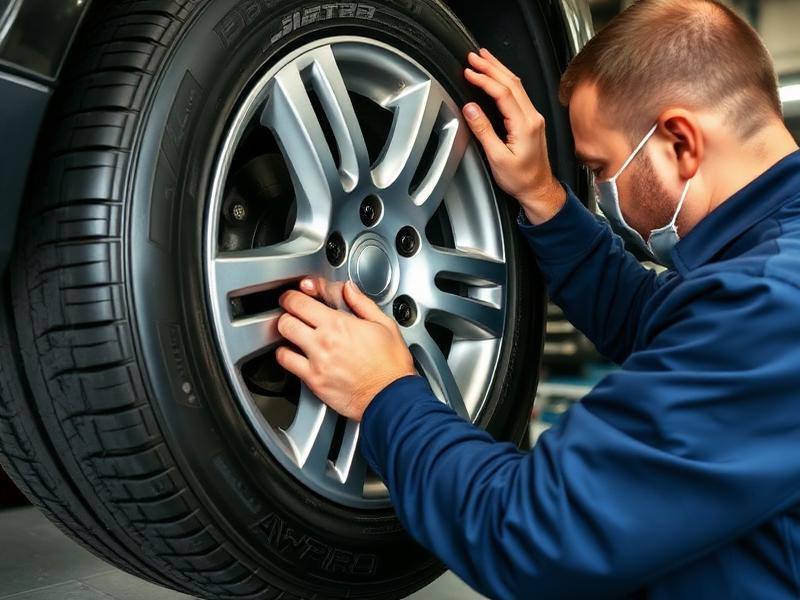
    First, walk around the car and check each tyre for any damage. Look for obstructions, such as nails or screws, and also watch for cuts and bulges on the sidewall. Sidewall bulges are a serious tyre problem because the internal sidewall damage can lead to an unexpected and dangerous tyre failure. If you notice a bulge or other serious issues, do not drive the car any longer. Have a professional examine the tyre.

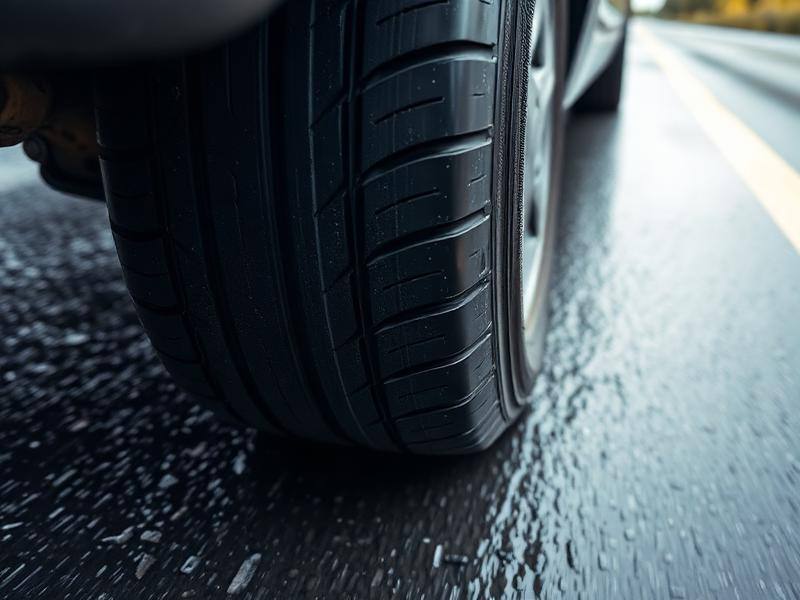
    Next, check the tread depth. The legal minimum in the UK is 1.6mm across the central three-quarters of the tyre, however, most experts suggest replacing tyres at around 3mm as this depth is much better for grip in wet conditions. The 20p test is the simplest method to use. Place the 20p coin in the grooves of the main tread. If the coin’s outer rim is covered, then your tread is probably within legal limits. But, if the outer band of the coin is visible, you need to arrange to get your tyres replaced.

    Car tyre pressure can be just as critical, if not more than, car tyre tread. Tyres that are under-inflated will wear unevenly and cost more to run because of increased fuel consumption. Handling in wet and icy conditions can become dangerous at best. Over inflation of the tyres can reduce the size of the contact patch, which is the area of the tyres that are on the road, and can make for less predictable braking. Tyre pressures can be found in the handbook of the car, and on a sticker in the frame of the door on the drivers side. It is quick and easy to check the tyre pressures using the airline at the nearest petrol station, along with a tyre pressure gauge.

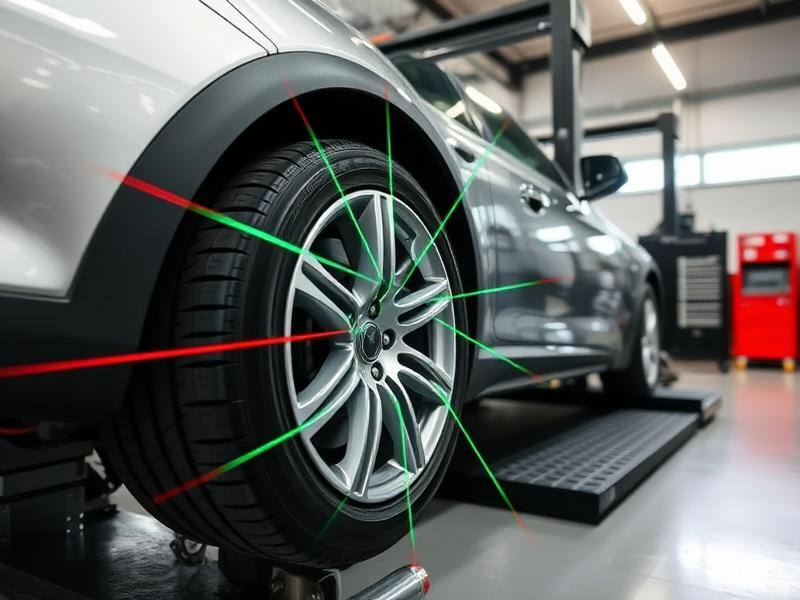
    When checking other features of your vehicle it is also important to check your tyres for uneven wear. If one edge is more worn than the other, this can indicate a problem with your wheel alignment or suspension. If these problems are not fixed, they will continue to get worse and will cause unnecessary wear to a set of tyres that are otherwise perfectly good.

    Repair kits and spares may be easy to neglect. Still, you should check your spare for flatness and perishing. An unusable spare will be of no assistance when you need it most. Therefore, take a minute to check it once a month to avoid getting caught out in an emergency.

    Lastly, monitor the age of your tyres. Regardless of the tread depth, rubber becomes hard and deteriorates when it ages. Therefore, tyres older than approximately six years should be approached with careful consideration. The date of manufacture is moulded into the tyre’s sidewall which shows a four-digit code representing the week and year of production. Therefore, checking the date only takes a moment.

    Integrating this quick tyre check into your daily routine, along with your regular fluid and light checks, helps keep you and other road users safe and helps you avoid unexpected costs. While it takes virtually no time, this simple practice can truly impact your driving experience, fuel consumption, and your confidence while driving.

  • Tyre Tread Depth Explained: UK Legal Limits and Safety Tips

    One of the most important safety checks that a driver must do is check the tread depth of their tires. Tread depth affects how tires grip the road, especially in wet conditions. Many drivers do not check their tire tread depth often enough to realize it has become low.

    According to the law in the United Kingdom, the minimum tread depth allowed is 1.6 millimetres for the entire circumference of the tyre along the central three-quarters. It’s not only illegal to drive with tyres below this limit; it’s also dangerous. Each tyre can result in fines and penalty points.

    Most safety experts and manufacturers of tyres recommend replacing tyres before the legal minimums are reached. Studies indicate that stopping distances increase significantly in wet conditions once tread depth is below 3mm. Therefore, it is reasonable to treat that as your personal minimum.

    You don’t need anything special to check your tread depth. A quick way to check your tyres is to do a 20p coin test. This is done by inserting the coin into the main grooves of the tyre. If you can see the outer rim of the coin, the tread may be getting close to, or underneath, the legal limit and is due to be checked by a professional.

    While checking tread depth, make sure to check in different locations on each tire, not just one spot. If wear is uneven, one area on the tire could have significantly less tread than another. This can happen when tire pressure is too high or too low, when wheels are out of alignment, or when suspension parts are worn.

    Under certain weather conditions, the depth of the tread on your tires becomes even more crucial. Rain is commonplace when driving in the UK. If your tires are worn, they will more easily lose traction and suffer from aquaplaning, where a layer of water forms between the tire and the road. This creates a sudden , dangerous loss of grip.

    Checking the tread on your tires is quick and easy, but doing so can help improve your safety on the road and help improve your cars performance on wet roads. If you’re unsure, it’s always best to get your tires checked by a professional.

  • Home EV charger grants may be available

    Being able to charge an electric vehicle at home is a big incentive when it comes to buying a new electric vehicle, but it is extremely rare to find electric car chargers installed at rental properties as tenants cannot have them installed without the property owner’s permission and most owners would not pay to have them installed at their property for someone else’s use.

    It is good news then that there are now grants being made available to tenants and property owners alike to enable electric vehicle chargers to be fitted to properties so that tenants who own electric vehicles will be able to use them and it will future-proof the property should any other tenants want this facility. It will also benefit the property owner as it will make the property more attractive to potential tenants and add value to the property if it is sold in the future.

    The new grant is being seen as a positive step forward by electric vehicle manufacturers and environmentalists who recognise that anything that makes owning an EV easier and cheaper is bound to increase sales and with special electricity rates for electric car chargers being offered by energy companies it is good news all round.

  • How to cut the cost of your fuel bill for your car

    It seems that everything is going up and up in price at the moment, car fuel being one of the biggest. The prices at the pump on average have increased by around 50 pence per litre which can equate to around £28 extra to fill up your tank. This can have a huge impact, especially on those that are having to use their car a lot to get to and from work but are not given any allowance. The fuel prices have increased for a number of reason and it is unlikely that they will come down any time soon. There is fear that the situation could even get a lot worse over the coming months with the conflict that is happening between Russia and Ukraine.

    It is important to try and drive as economically as you possibly can to ensure that you keep your fuel bills down. If your car ha a trip computer, try and notice what miles per gallon you are getting. You can then try to implement some of these driving style changes and see if it makes a difference.

    Always drive in the highest gear suitable for the speed you are traveling at. Keeping the engine revs low consumes less fuel. Having to keep slowing down and then accelerating, again uses up more fuel so instead slow down a little and see if you can drive at a more constant speed.  

  • Do not ignore that sound coming from your car

    If you drive your car quite often you will probably notice fairly quickly if it starts to sound different. It may be that the sound of the engine is louder or that when you change gear you notice a crunching sound. It may not be coming from the engine; it could instead be an issue with the suspension which may result in a knocking noise. It may be tempting to ignore this and wait until it gets worse but that is very risky, and you may end up having to pay a lot more to repair the issue later on down the line than if you had had it fixed when you first noticed it.

    You will usually need to take it in to a garage to get a mechanic to have a look at it unless you are able to get a mobile mechanic out to you. Depending on what the noise is, they may ask you to leave the vehicle with them for a bit until they have had a chance to test drive it and investigate further.

    If you want to be able to get quotes from other garages, be sure to make it clear that you do not want them to carry out any work until you have agreed for them to proceed.

  • Winter safety when driving

    That time of year is upon us when the nights and mornings are dark and frosty and it is not unusual to get ice and even snow. This can make for horrible driving conditions and although you may not want to, there may be times when you have to. Although you can never completely avoid the risk of an accident, there are things you can do to try and ensure that you and your vehicle is as safe as can be.

    Two of the main safety features of a car is the brakes and the tyres. Both of these should be checked regularly by inspecting them but with your brakes you should also test them when driving at slower speeds. Your tyres need to have a minimum of 1.6mm of tread left on them for them to be legal but most garages say that anything less than 3mm starts to affect your braking distance. During the winter months especially, it is even more important to check that not only is there plenty of tread left on your tyres but that they also are inflated to the correct pressure and free from any damage. This could be a puncture, bulging or cuts / cracks.

  • Dash cams are a must for all drivers

    When dash cams first hit the market, they were quite expensive and it was mostly business people such as rep who do a lot of driving that had them. Over the last decade they have come down massively in price and you can now pick one up from less than £30!

    Unfortunately, many of us have encountered people on the road who seem to be oblivious to how their driving affects others. Overtaking on bends, tailgating, driving too fast or even driving too slow can all play major roles in why people have accidents. Over the past few years that has been a massive increase in the number of people doing “crash for cash” scams where they slam their brakes on causing you to go into the back of them then claim off your insurance company for personal injury plus the damage to the vehicle. The blame is automatically put on to you if you run in to the back of someone so you need to have a way to prove your innocence and sometimes a dash cam is the only way to do this. A dash cam might be the best purchase you make when it comes to accessories in your car.

  • Are we heading for a fuel crisis?

    Over the last few days, people have been seen queuing up at the petrol stations desperate to get fuel. Over the last week or so there have been rumours that fuel supplies will run out at the forecourt due to a shortage of HGV drivers.

    The petrol and diesel cannot get to the pumps to top up the supply and a handful of garages have already closed. Often like anything with this, the most hype has been drummed up by the media and cause a country wide panic. People have rush to the forecourts to top up their ranks as much as possible.

    Many are hoping that the government step up and sort the issue out before someone ends up getting hurt.

    If you need you vehicle for work the you may find yourself in a sticky situation. You won’t want to add to the chaos by going to fill your tank but on the same subject you don’t want to run out of fuel and find that you can’t get any.

    The shortage of drives has been an issue for some time now and it is a real shame that they government have again left it too late to try and sort it out properly.

  • Issues with Diesel Particulate Filters

    Diesel Particulate Filters or DPF’s for short were introduced in 2009 for Diesel cars only. They are designed to prevent soot, or particulate matter from entering the atmosphere therefore being kinder to the environment. Although they can help to do this and therefor lower emissions, they are often a bit of a nightmare for many diesel owners, especially ones that do not do many long journeys. The way a DPF filter works is that it it collects this very fine soot that is produced by the engine. Every so often the soot is burnt off at extremely high temperatures, which leaves a tiny ash residue. This ash residue will overtime build up and will need specialist cleaning, but often this doesn’t need to be done until around a hundred thousand miles.

    In order for the DPF to regenerate (burn the soot to ash) it needs to reach a certain temperature. The best way to do this is to drive the car at high revs for about 20-25 minutes. If you often do very short journeys and at low speeds then your car may struggle to clear the DPF. Often you will get a warning light on the car saying that it needs to regenerate. At this point you should take it on a good run on a motor way or road you can drive at about 50-60 mph for a period of time. If you do not do this it can become blocked and require professional cleaning.

  • Do you have an oil leak?

    An oil leak is a common issue on a car and it can happen at any time. There are a number of place sin which oil can leak out from and it can be hard to diagnose sometimes. Often the only way you know you have an oil leak is when the move the car and find a patch of oil underneath it, or when you check the dip stick and the level is really low.

    Ideally the car needs to go up on a ramp for a mechanic to be able to check where the oil is leaking from. Sometimes it is obvious to them and other times it may need more investigation work. It is important not no drive the car too much when you have an oil leak and to ensure that you regularly top it up if you are having to drive it to a garage.

    If you have recently had the car serviced then you may find that they have not replaced the sump washer or that they have not fitted it back in correctly. This can cause the new oil to leak out quite rapidly. If this is the case then the garage that did the service should replace the part and the oil free of charge. If your low oil light comes on when you are driving, be sure to stop immediately as driving with no oil will ruin the engine of the car.